
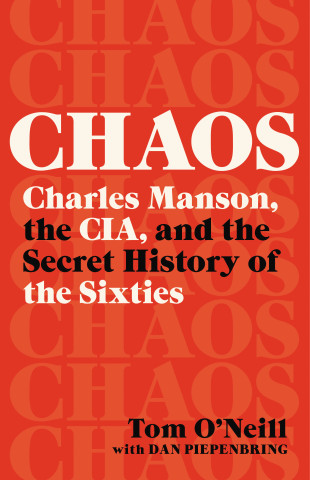
Abstract: Un libro de reciente aparición llamado «Caos: Charles Manson, la CIA y la Historia Secreta de los 60», de Tom O’Neill retoma -medio sigo después- el sonado caso del asesinato de Sharon Tate, entonces pareja del director Roman Polanski, junto a otras ocho personas, por parte de una banda liderada por Charles Manson. En el libro O’Neill indaga las conexiones de Manson con altos estamentos del gobierno americano y numerosas actuaciones dedicadas a impedir que esas conexiones lleguen a conocerse públicamente.
In August 1969 the slaughter of nine people in Los Angeles including the pregnant actress Sharon Tate could be considered the coup de grace of the anti-war, peace & love movement of the Sixties. Leading up to that time, US citizens flinched again and again beginning with the assassination of President John F. Kennedy in Nov. 1963, Malcolm X in February 1965, Martin Luther King in April 1968 and Robert F. Kennedy in June 1968.
Official myths of these events prevailed.
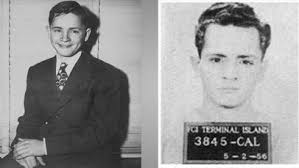
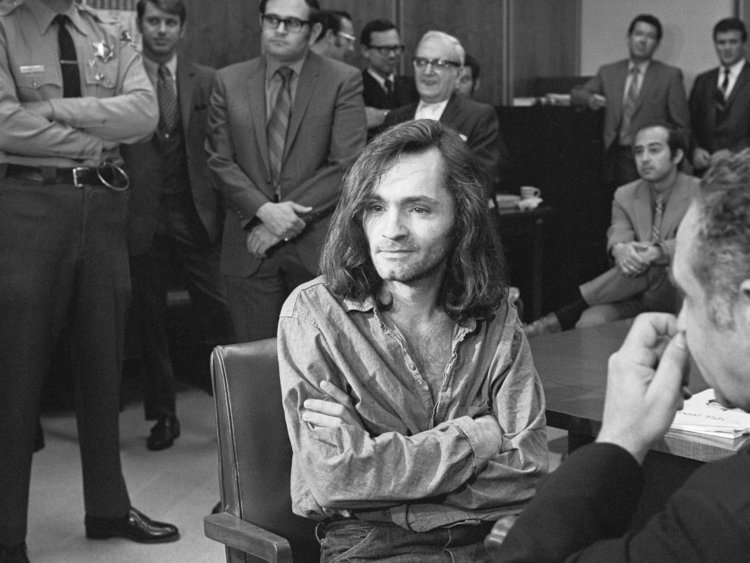
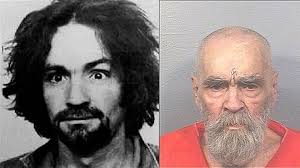
With the Charles Manson epic, Los Angeles Prosecutor Vincent Bugliosi controlled the narrative for decades with his book “Helter Skelter: The True Story of the Manson Murders” written with Curt Gentry and published in 1974. Now perhaps Bugliosi’s version isn’t true after all.
Tom O’Neill alters popular history in his groundbreaking 2019 book “CHAOS Charles Manson, the CIA and the Secret History of the Sixties.” O’Neill, a magazine writer, was assigned a story on the 30th anniversary of the murders – and got lost in a maze for 20 years as the story got stranger and bigger. Much of the book relays O’Neill’s personal confessions, doubts and struggles for the truth.
O’Neill’s presentation seems a bit shy in that he lets Hollywood royalty affiliated with Manson off the hook – but then again, nobody would talk to him. And why would they? Craig Hammond AKA “Gray Wolf” who brokered communications with outsiders to Manson in prison told O’Neill that Manson brought his girls to orgies for the Hollywood elite.
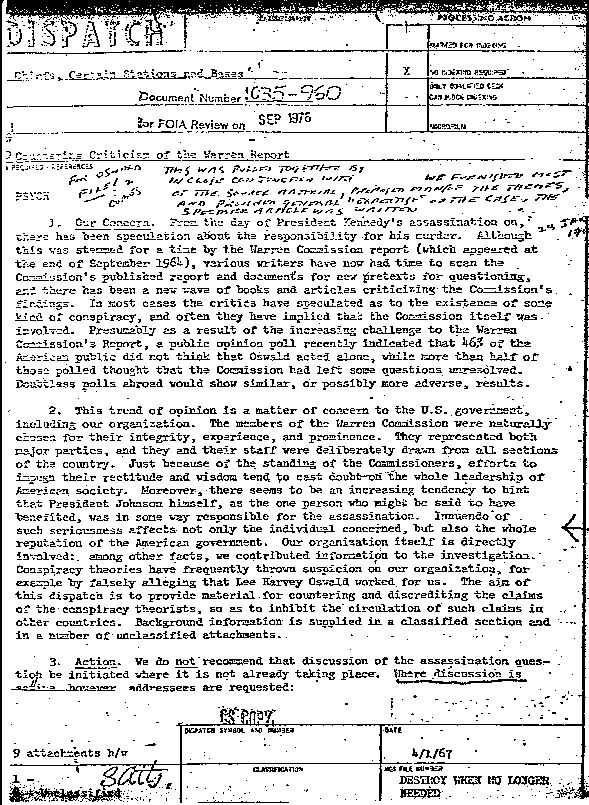
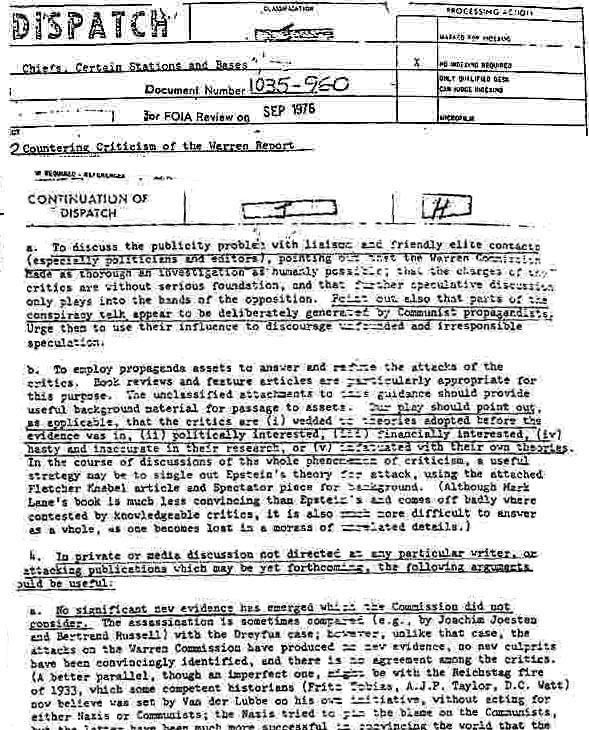
The genius of O’Neill’s book is that he does not have a grand theory of what happened – therefore he cannot be called “a conspiracy theorist.” This term was created by the CIA in 1967 as revealed by a New York Times Freedom of Information request in 1976:
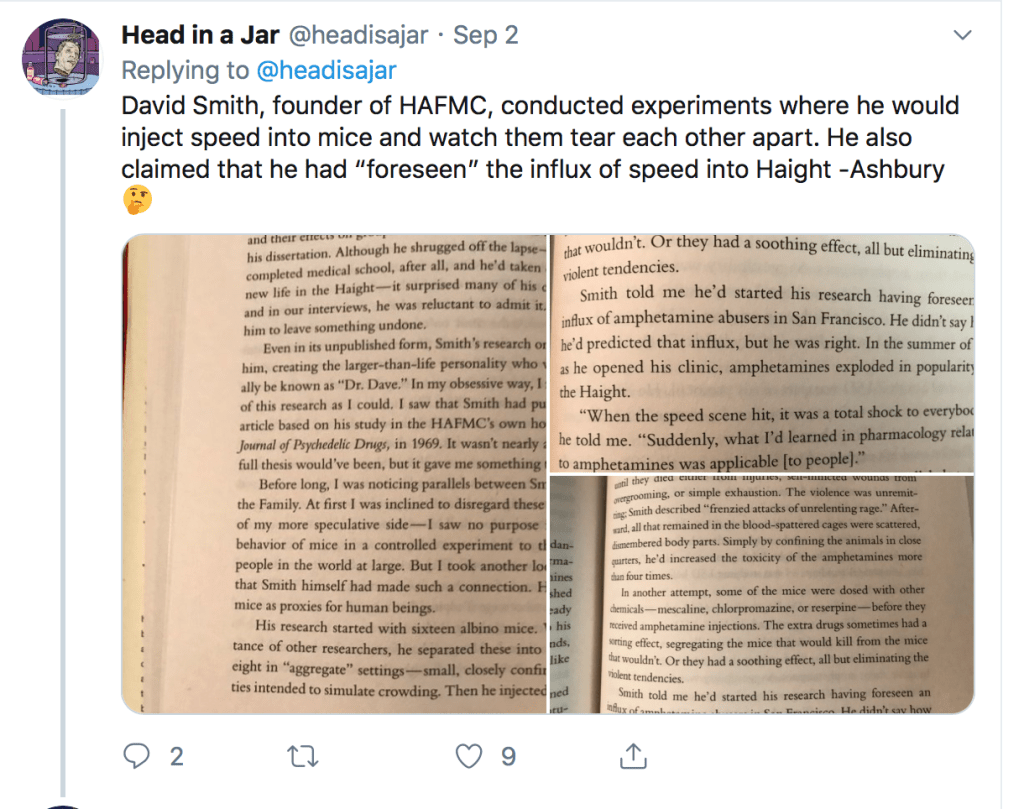
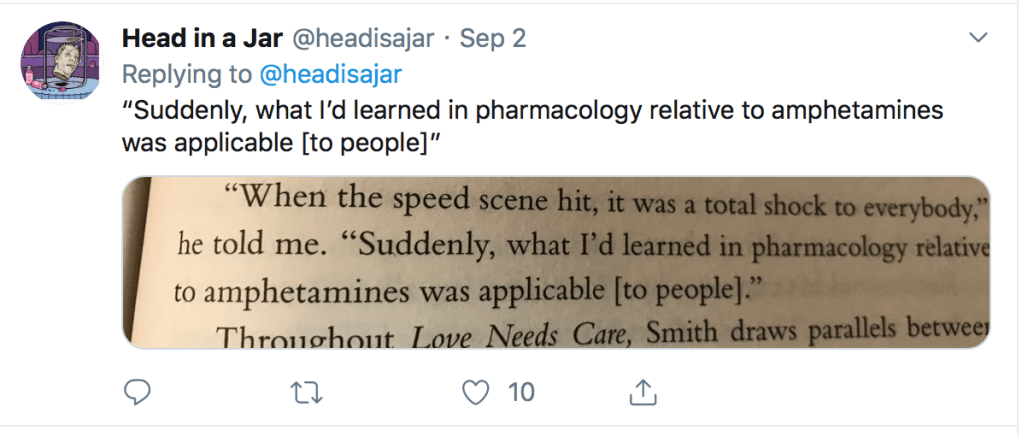
O’Neill presents us with a trivial low-level criminal – Charles Manson – who is invited to San Francisco’s Haight Ashbury, the hippie capital of the USA. Coincidentally, the Haight Ashbury Free Clinic – where Manson frequently hung out – just happened to be a center of government-funded experiments with LSD and speed. After Manson’s arrest for the Tate-LaBianca murders, there was a burglary at the Haight Ashbury Free Clinic and all the files pertaining to the drug experiments were missing – the only files stolen.
In 1975, Idaho Democratic Senator Frank Church launched an investigation into CIA activities via The Church Committee, which revealed MKULTRA mind control experiments to the public.
Manson went to San Francisco as a small time hustler and emerged a psychotic and violent chief of misrule, adept at hypnotizing his acolytes and likely was hypnotized himself. CIA mind control expert Louis Jolyon “Jolly” West is connected here – he’s the same guy who was allowed into prison to interview Lee Harvey Oswald’s assassin Jack Ruby, who lost his mind shortly after that encounter in his prison cell.
Despite being a federal prison parolee, Manson was never re-arrested for a series of other crimes leading up to the Tate-LaBianca murders. O’Neill offers proofs Manson was “protected” by judges and his parole officer to name a few. Retired District Attorney Lewis Watnick believed Manson to be a federal informant.
More perspective may be held in the taped confessions Manson henchman Tex Watson made to his attorney – but alas, they are not available. O’Neill writes “For reasons I can’t understand, district attorneys, law enforcement agencies, federal bureaus and other outposts of officialdom continue to suppress these files, even as they claim they have nothing to hide.”
Readers may want to explore more on the manipulated Sixties after reading this book. More in-depth studies will come up on search engines such as DuckDuckGo rather than from extremely limited Google algorithms.
Katina Dunn
 manteca de cacao